Flood tips The first hour matters most.
What to do, what to leave alone, and what to have ready when you call.
When water gets in.
- 1
Stay out if it could be live
Do not step into water near outlets, appliances or the panel.
- 2
Kill the power if you can
Only if you can reach the panel dry. If not, call your electric utility.
- 3
Stop the source
Close the main for a pipe. Stop using sinks and toilets if it came up a drain.
- 4
If you smell gas, leave
Get out first, then call your gas utility or 911 from outside.
- 5
Take pictures
Rooms, the water line, the source and anything ruined, before anything moves.
- 6
Call us
Tell us where it came from and what it has reached. (888) 929-0245
Please do not do these.
- A household vacuum on wet floors. It is an electrical risk, and it will not hold water.
- Fans on sewage water. Air moving over contaminated water spreads it through the room.
- Bleach and a mop on a backup. EPA says to call in a professional if sewage or contaminated water caused the damage.
- Waiting on the heat to dry it. EPA says to dry water-damaged areas and items within 24-48 hours to prevent mold growth.
- Throwing things out too early. Photograph them first, and ask your insurer what they need to see.
- Going under a sagging ceiling. Trapped water is heavy, so stay out from under it.
Ten minutes on a dry day.
- 01
Find the main shutoff
Walk everyone in the house to it. Tag it, and make sure it still turns.
- 02
Clear what you can reach
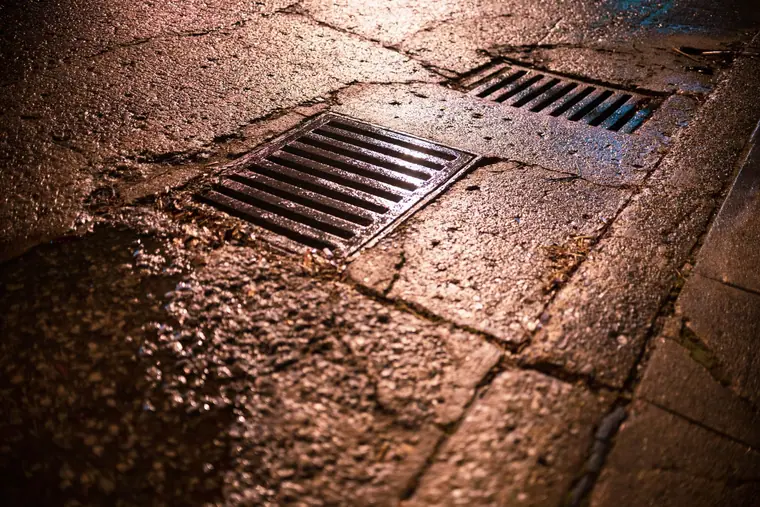
Leaves over the storm drain, downspouts and window wells all back water up.
- 03
Get things off the floor
Boxes and papers on a basement slab are the first things lost.
- 04
Read your policy
FEMA says flood is a separate policy. Sewer backup usually needs its own add-on.
- 05
Know your freeze spots
Find the lines in outside walls, crawl spaces and unheated garages before a hard freeze.
- 06
Save this number
Call (888) 929-0245 any time. We are open 24 hours.
Flood questions, short answers.
Is flood water dangerous to touch?
Treat it as contaminated.
The S500 puts flood water from rivers and the ground in Category 3, the worst category.
Stay out of it, and keep kids and pets away.
Who do I call about water in the street?
Call your city, town or village so they can check the main or the catch basin.
How long does a house take to dry?
It depends on what got wet and how long it sat.
That is why we keep reading the same spots until they match the dry parts of the house.
What about mold?
EPA says drying within 24-48 hours prevents growth in most cases.
Some states require a licensed contractor for mold work, so the rules depend on where you are.
Ask us how it would be handled on your job.
Where this comes from
General safety guidance, not a substitute for the fire department, your utility or your insurer.
Other water damage we take on.
- Basement Water DamageThe floor drain, the laundry corner, the rec room carpet.
- Water Damage RestorationThe whole wet house: walls, ceilings, floors and what sits behind them.
- Flood Damage CleanupStorm water, street water and groundwater, cleaned out and dried.
- Broken Pipes Water DamageSplit supply lines, freezing nights, water through the ceiling.
- Sewage Backup CleanupThe dirtiest water damage: drain backups cleared, cleaned, sanitized.
Tell Roddy what happened.
Call if water is still moving.
Otherwise send the short version here, and we will call you back.
A photo by text helps if you have one.