Water Damage Restoration The stain is where it stopped.
We find out how far the water really went, get it out and dry all of it.
One leak can reach three rooms.
Water starts somewhere small and keeps moving after you see it.
It runs along a joist, drops through a ceiling and soaks into the wall of the room below.
So the first job is finding the edges, and a moisture meter reads what your eye cannot.
The next question is what kind of water it was.
The IICRC S500, the standard the restoration trade uses, sorts water into 3 categories.
Category 1 starts from a sanitary source, such as a supply line.
Category 2 carries significant contamination, such as washing machine discharge.
Category 3 is grossly contaminated, such as sewage backflow.
Water can get worse with time and contact with building materials, so the clock counts too.
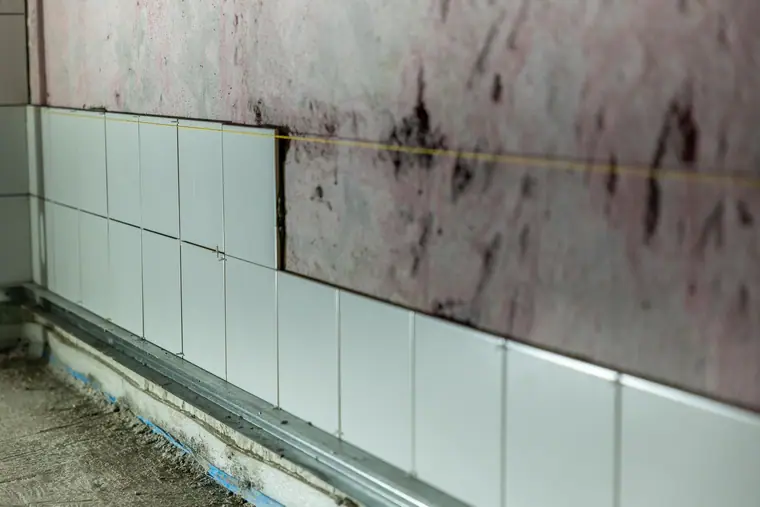
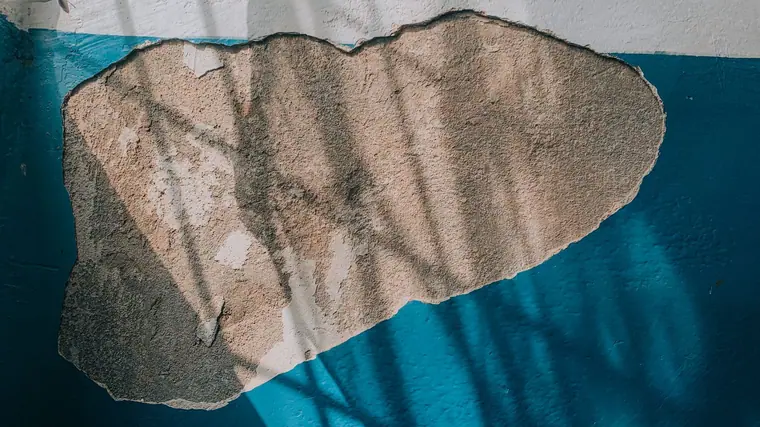
What a wet house shows you.
- 01
A ceiling stain that keeps growing
A wider ring means water is still arriving or still spreading above the drywall.
- 02
Paint that bubbles low on a wall
Paint can hold water against the wall, so a blister often means wet drywall behind it.
- 03
Floors that cup or feel soft
Board edges rise as wood takes on water, and a soft spot can mean a wet subfloor.
- 04
A musty room with no puddle
A smell with nothing to see often means a surface dried while what is behind it did not.
Find it, get it out, dry it.
- 1
Call and describe it
(888) 929-0245, any hour. Tell us where it started and every room where you see it.
- 2
Map the wet
Moisture meters check ceilings, walls and floors well past the spot you called about.
- 3
Extract and dry
Extractors take what is standing, then air movers and dehumidifiers work on what is left.
- 4
Check it until it reads dry
Drying stops when the walls, ceilings and floors match the dry parts of the house.
A ceiling stain, and nobody knows how far it went.
Rain and snow have to go somewhere.
All of it tests a roof, a window frame and a foundation wall before it runs off.
Shut power at the panel only if you can reach it dry.
If you cannot, call your electric utility.
Roddy and his crew are top professionals. If I could give them 10 stars, I would. They are transparent.
On this one, people ask.
What about mold?
EPA puts the drying window for water-damaged areas and items at 24-48 hours to prevent mold growth.
Some states require a licensed contractor for mold work, so the rules depend on where you are.
Tell us what you are seeing and ask how it would be handled on your job.
Why so many fans in one room?
Air movers follow a rule of thumb from the S500, used in restoration work.
One goes in each affected room, plus one more per 50 to 70 square feet of wet floor.
Wet wall and ceiling above about 2 feet adds one more per 100 to 150 square feet.
How will I know where things stand?
Abel Castro’s review mentions constant communication and pictures of the progress.
Ask how updates will work on your job when you call.
Other water damage we take on.
- Basement Water DamageThe floor drain, the laundry corner, the rec room carpet.
- Flood Damage CleanupStorm water, street water and groundwater, cleaned out and dried.
- Broken Pipes Water DamageSplit supply lines, freezing nights, water through the ceiling.
- Sewage Backup CleanupThe dirtiest water damage: drain backups cleared, cleaned, sanitized.
Tell Roddy what happened.
Call if water is still moving.
Otherwise send the short version here, and we will call you back.
A photo by text helps if you have one.